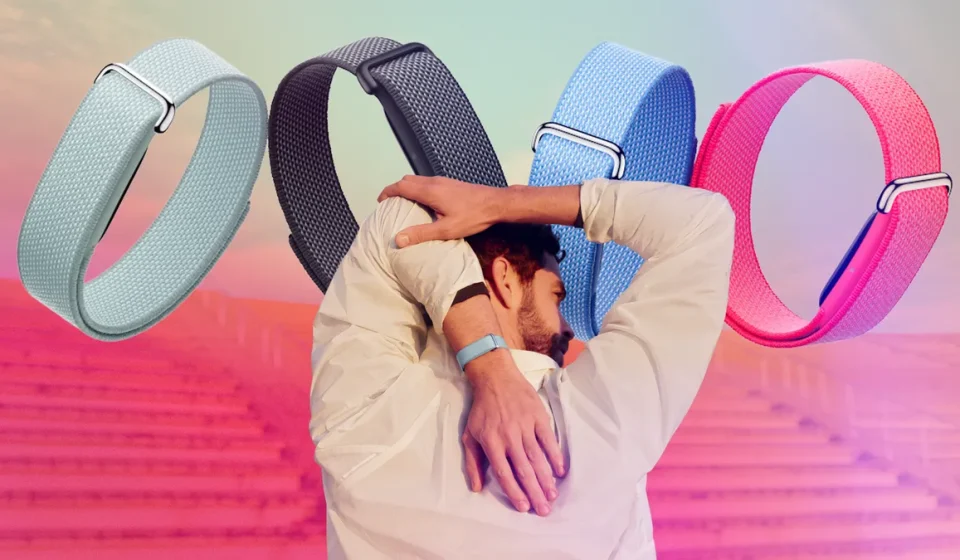

In a world where wearable technology keeps getting smarter—and smaller—the idea of a device like Fitbit Air captures exactly where fitness innovation is heading. While not an officially released product as of now, the concept of “Fitbit Air” represents a new generation of ultra-light, minimal, and seamlessly integrated health tracking.
What Is Fitbit Air?
“Fitbit Air” is often used to describe a hypothetical next-step evolution of devices from Fitbit—a tracker that is so light and unobtrusive it feels almost invisible. Think beyond bulky smartwatches or even slim bands: this is about barely-there wearables that still deliver powerful health insights.
Key Features You’d Expect
If Fitbit were to launch a product like Fitbit Air, here’s what it would likely include:
1. Ultra-Lightweight Design
A core idea behind “Air” is minimalism. The device would likely be thinner and lighter than current trackers like the Fitbit Inspire 3, making it comfortable for 24/7 wear—even during sleep.
2. Advanced Health Monitoring
Despite its size, it would still pack serious tracking capabilities:
- Heart rate monitoring
- Sleep analysis
- Blood oxygen (SpO₂) tracking
- Stress management tools
These features are already seen in devices like the Fitbit Charge 6, so a lighter version would likely refine them further.
3. Seamless Integration
A Fitbit Air device would sync effortlessly with the Fitbit app, giving users real-time insights, trends, and personalized recommendations.
4. Long Battery Life
Smaller doesn’t have to mean weaker. Fitbit is known for efficient battery use, so even a tiny device could last several days on a single charge.
5. Discreet & Stylish
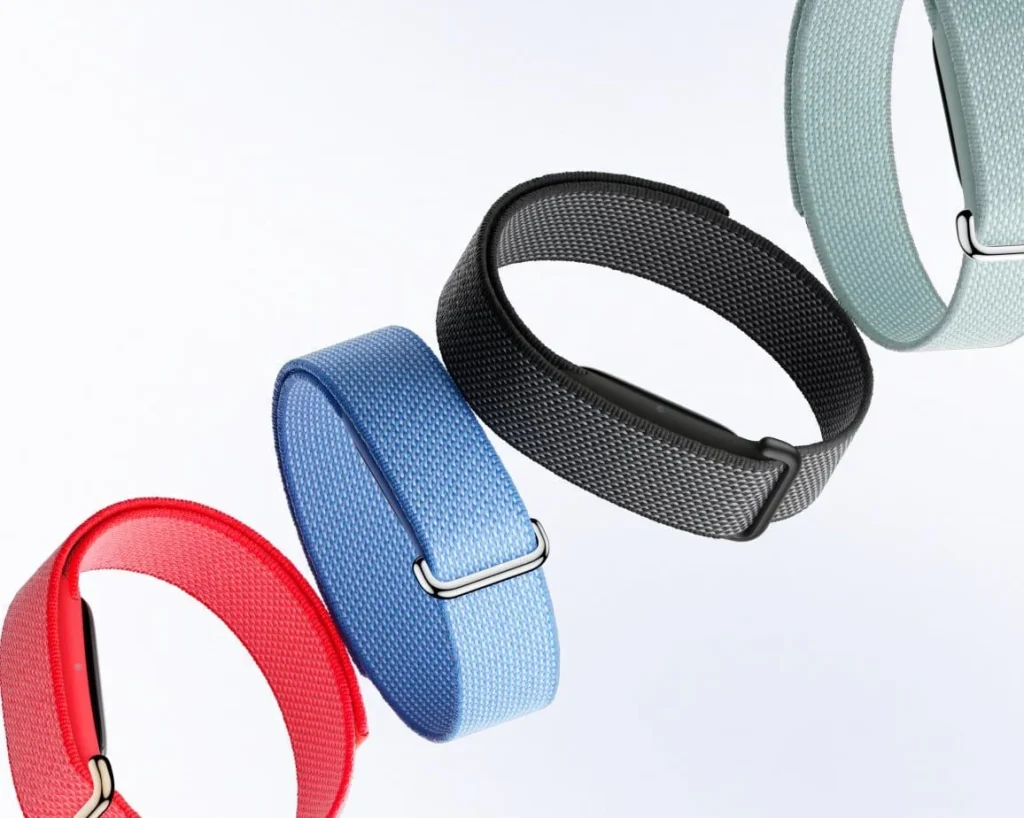
The “Air” concept leans toward subtle design—possibly resembling jewelry or even being integrated into clothing or patches.
Why the “Air” Concept Matters
Wearable tech is shifting from visible gadgets to invisible companions. Many people want health tracking without constantly feeling like they’re wearing a device. Fitbit Air represents:
- Less distraction
- More comfort
- Continuous, natural data collection
This aligns with broader trends in health tech—where devices become part of your lifestyle, not something you have to think about.
Potential Competition
If Fitbit Air becomes reality, it would compete with:
- Smart rings like the Oura Ring
- Minimal trackers and sensor patches from emerging health-tech companies
These alternatives already focus on low-profile tracking, which suggests strong demand for this kind of product.
Challenges to Overcome
Creating something as small as “Fitbit Air” isn’t easy. Key hurdles would include:
- Maintaining battery life in a tiny form
- Ensuring accurate sensor readings
- Balancing durability with lightweight materials
But given Fitbit’s history of innovation, these challenges aren’t out of reach.
Final Thoughts
Fitbit Air may not yet be a real product, but the idea behind it is very real—and very likely. As wearable technology continues to evolve, the future points toward devices that are smarter, smaller, and nearly invisible.
If and when Fitbit launches something like this, it could redefine how we think about fitness tracking—turning it from something we wear into something that simply exists with us.

